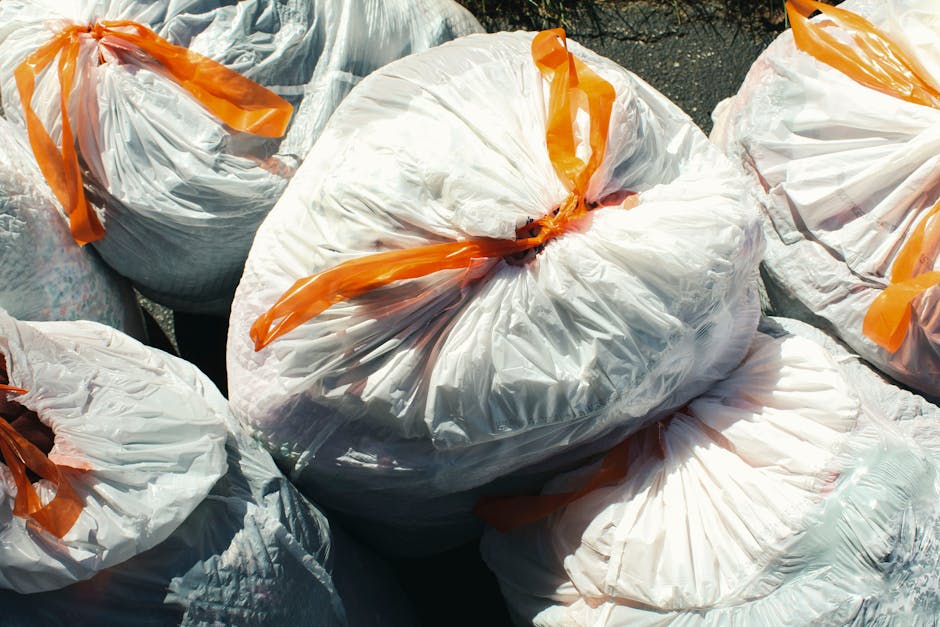
Why doorstep rubbish sacks get rejected by Croydon Council crews
If you have ever left bin bags or rubbish sacks outside hoping they would be collected, only to find them still there later, you are not alone. Why doorstep rubbish sacks get rejected by Croydon Council crews is a question many residents ask after a missed pickup, and the answer is usually less mysterious than it feels in the moment. In most cases, crews reject sacks because they are unsafe to lift, not presented correctly, too heavy, contain the wrong items, or are simply not part of the service being run that day.
That sounds frustrating, and it is. But once you understand how crews assess sacks on the pavement, you can avoid repeat rejections, save time, and keep the front of your home from becoming a stop-start mess of half-collected waste. Let's break it down properly, with the practical stuff first.
Table of Contents
- Why it matters
- How the collection process works
- Key benefits and practical advantages
- Who this is for and when it makes sense
- Step-by-step guidance
- Expert tips for better results
- Common mistakes to avoid
- Tools, resources and recommendations
- Law, compliance, standards, or best practice
- Options, methods, or comparison table
- Case study or real-world example
- Practical checklist
- Conclusion
- Frequently asked questions
Why Why doorstep rubbish sacks get rejected by Croydon Council crews Matters
Getting a sack rejected is not just an annoyance. It can mean extra waste sitting outside, a stronger smell by the end of the day, complaints from neighbours, and in some cases a safety issue if bags are ripped open by weather or animals. In a busy borough like Croydon, crews work to clear a lot in a short time, so presentation matters more than many people realise.
Crews are also trying to avoid manual handling injuries and contamination. A bag that seems "fine" to a resident may still be too awkward, too sharp, too wet, too heavy, or too risky to pick up safely. To be fair, from ground level a sack can look perfectly normal. From a collector's point of view, it may be a whole different story.
There is another reason this matters: rejection can quickly become a pattern. If one sack is refused and the next one is filled the same way, the same outcome often repeats. Understanding the basics helps you get it right the first time, which is a small relief but a real one.
How Why doorstep rubbish sacks get rejected by Croydon Council crews Works
The process is usually straightforward. You place waste where it has been requested or where collections normally happen, and crews assess it against what they are allowed and able to take. If the bag looks unsafe, non-compliant, or unsuitable, they may leave it. No drama, just a decision made quickly on the street.
Most rejections fall into a few broad categories:
- Presentation problems: sacks are hidden, blocked in, tied badly, split, or placed somewhere crews cannot access easily.
- Weight and handling issues: the sack is too heavy to lift safely or shifts awkwardly when moved.
- Wrong contents: hazardous materials, liquids, rubble, electrical items, or mixed waste that should not be in a doorstep sack.
- Service mismatch: the sack is outside the scope of the collection arrangement being offered.
Sometimes the reason is simpler than people expect. A sack may be fine in itself, but if it is placed out too early, blown around, split by rain, or put out on the wrong day, it can be ignored or marked as non-collectable. You will notice that little details matter more than grand gestures here.
There is also an element of judgment. Crews need to work safely and keep to schedule. If a bag looks uncertain, they will often move on rather than take a risk. That is not them being difficult; it is part of a practical system that has to balance safety, efficiency, and neighbourhood disruption.
Key Benefits and Practical Advantages
Getting doorstep rubbish sacks accepted first time has a few simple benefits, and some of them are more valuable than they look at first glance.
- No repeat mess: the front path stays clear, which is always nicer than leaving black bags out overnight.
- Less odour and nuisance: especially in warmer weather, or after food waste has been mixed in.
- Better collection reliability: crews are more likely to take sacks that are easy to identify and safe to move.
- Fewer disputes: if you understand the rules, it is easier to tell whether a missed pickup was avoidable.
- Reduced pest risk: properly tied, suitable bags are less likely to burst or attract scavengers.
There is a quieter benefit too: when you know what crews are looking for, you waste less time second-guessing yourself. That is useful whether you are clearing out one room, dealing with weekly household waste, or getting on top of a sudden pile after a tidy-up.
Practical takeaway: a rejected sack is usually a presentation or contents issue, not a random refusal. If you can fix those two things, your chances improve fast.
Who This Is For and When It Makes Sense
This guidance is useful for anyone trying to understand why a sack was left behind, but it is especially relevant if you are:
- a homeowner or tenant in Croydon managing ordinary household waste
- someone doing a clear-out before a move, repair, or family visit
- an older resident or carer trying to keep things simple and safe
- landlords and property managers dealing with end-of-tenancy waste
- small businesses that sometimes generate mixed rubbish that does not fit routine collection patterns
It also makes sense if you are comparing local removal options. Some people realise pretty quickly that doorstep sacks are not the right fit for larger clearances, bulky items, or waste that needs segregating. In those cases, a broader service such as waste removal or a more specific clearance option can be less stressful than hoping a sack will somehow be accepted.
Truth be told, doorstep sacks suit light, simple, properly bagged waste. If your rubbish is awkward, heavy, damp, spiky, or mixed with furniture offcuts and packaging, you may need a different approach.
Step-by-Step Guidance
If you want to reduce the chance of rejection, follow a calm, practical routine. It is not glamorous, but it works.
1. Check what the sack contains
Start with the contents. Ordinary household waste is one thing. Construction debris, liquids, sharps, chemicals, batteries, and electrical items are another. If a bag contains anything questionable, split it out before collection day. A single bad item can make a sack unsafe or unsuitable.
2. Keep the sack manageable
Overfilled sacks are a classic cause of rejection. If you have to wrestle the bag to move it across the kitchen, it is probably too heavy. Better to use two lighter sacks than one oversized one that tears the second it is lifted. And yes, everyone thinks they can carry "just one more thing" until the knot gives way.
3. Tie and seal it properly
Crews need waste to stay contained. Bags that are loosely tied, split, taped badly, or leaking are more likely to be left. A secure knot or proper closure is a small detail, but it makes a real difference.
4. Place it where it can be seen and reached
If a sack is tucked behind a gate, behind a parked car, under a low wall, or hidden by other items, it may be missed. The collection point should be obvious, accessible, and not dangerous to approach. Think clear, simple, visible.
5. Put it out at the right time
Too early and the bag can become damaged or obstruct pavements. Too late and the crew may already have passed. A little timing matters. If there is a known collection window, use it carefully rather than just hoping for the best.
6. Separate special items
If you have bulky items, broken appliances, garden waste, or leftovers from a DIY job, keep those out of general sacks. For example, bulky household items such as a worn-out sofa or a fridge usually need a separate route, which is why people often look at services like mattress and sofa disposal or fridge and appliance removal instead of mixing them into doorstep bags.
7. If in doubt, choose the cleaner option
When a bag is borderline, it is usually better to stop and re-sort it than to put it out and hope. That tiny extra effort in the kitchen or hallway can save an awkward morning later on.
Expert Tips for Better Results
People often focus on the bag itself, but the whole setup matters. Here are the things that tend to make the biggest difference in practice.
- Use strong, reliable sacks: thin supermarket bags are more likely to split, especially with mixed household waste.
- Keep wet waste separate: soggy food waste and damp packaging can weaken the bag quickly.
- Avoid sharp edges: broken plastic, metal offcuts, and glass need careful handling, or a different disposal route.
- Do not overpack one heavy sack: two moderate bags are safer than one monster bag nobody wants to lift.
- Keep the collection area tidy: crews notice clutter, blocked access, and signs that the waste is not ready.
One small practical trick: if you are doing a bigger clear-out, make a clean "collection corner" near the front of the property and keep all approved sacks in one place. It sounds almost too simple, but it reduces confusion and missed items. People forget that sort of thing when they are rushing about with house keys in one hand and old packaging in the other.
If your waste regularly exceeds what a standard sack collection can handle, a better fit may be a broader clearance package. For larger jobs, pages such as house clearance, flat clearance, or loft clearance can help you match the job to the service instead of forcing everything into bin bags.
Common Mistakes to Avoid
Most rejected sacks can be traced back to one of a handful of mistakes. Some are obvious, some not so much.
- Mixing the wrong materials together. Food waste, broken ceramics, rubble, batteries, and chemicals do not belong together in the same doorstep sack.
- Using flimsy or split bags. If the sack leaks or tears, it will often be left behind.
- Leaving sacks where crews cannot safely access them. Behind gates, in narrow alleyways, or beside obstacles is asking for trouble.
- Overfilling beyond a reasonable lift. This one catches people out all the time.
- Assuming all waste is treated the same. It is not. Different materials need different handling.
- Putting out extra items beside the sack. Loose items next to the bag can make the whole load look non-compliant.
Another quiet problem is wishful thinking. You know the type. "It should be alright." Sometimes it is. Often it isn't. Better to be a little strict with yourself upfront than deal with a refused sack on the pavement the next day.
Tools, Resources and Recommendations
You do not need much to get this right, but a few simple tools help. The aim is not to build a system, just to make collection day less awkward.
| Tool or item | Why it helps | Best use |
|---|---|---|
| Strong refuse sacks | Reduce tears and spills | Everyday household waste |
| Permanent marker | Helps label special bags or sorting areas | Large clear-outs |
| Gloves | Protects hands while sorting awkward waste | When handling mixed rubbish |
| Dustpan and brush | Useful for tidying stray debris near the collection point | After sorting bags |
| Storage box or tub | Keeps sharp or small items separate until disposal | DIY or garage clear-outs |
If you are planning a wider declutter, it may also help to use a service that matches the type of waste you have. For example, garden cuttings are not the same as furniture, and builders' waste is a different beast again. In that context, garden clearance, furniture clearance, or builders waste clearance may be the more sensible route.
And if your decision is mainly cost-driven, reading up on pricing and quotes can help you compare options properly rather than guessing. That tends to save headaches later.
Law, Compliance, Standards, or Best Practice
For doorstep waste, the key point is simple: follow the collection rules that apply to your property and local service, and do not present waste in a way that creates a safety risk or mixes prohibited items with ordinary rubbish. In the UK, there is a general expectation that waste is stored and presented responsibly, and that hazardous or specialist items are dealt with separately rather than tucked into household sacks.
Best practice usually means:
- keeping sacks secure and contained
- separating recyclable, general, bulky, and hazardous waste
- avoiding spills, sharp protrusions, and overfilling
- not obstructing pavements, entrances, or shared access points
- using the right service for the right material
If a bag contains potentially hazardous material, treat it cautiously. That includes chemicals, certain batteries, contaminated cloths, broken electrical items, and anything that could leak, cut, burn, or contaminate other waste. When a resident is unsure, the safest course is to keep it out of the normal doorstep sack and check for the correct disposal route first.
For businesses, the bar can be even higher. Commercial waste should be managed with a clear trail and an appropriate service, rather than being mixed into domestic sacks at the kerb. That is one reason many local operators review their arrangements in advance rather than making do at the last minute.
Options, Methods, or Comparison Table
If you are deciding what to do with waste in Croydon, it helps to compare the main approaches. Not every job belongs in a doorstep sack, and honestly, some do not even come close.
| Method | Best for | Strengths | Limitations |
|---|---|---|---|
| Doorstep rubbish sacks | Light, ordinary household waste | Simple, quick, familiar | Easily rejected if overfilled or mixed wrongly |
| Specialist item removal | Appliances, mattresses, sofas, single bulky items | Matches the item to the service | Not ideal for mixed general waste |
| Room or property clearance | Lofts, garages, flats, whole-home clear-outs | Handles volume and variety | Usually more involved than a sack-based approach |
| Builders waste clearance | DIY debris, renovation waste | Better for heavier, rougher materials | Not suitable for routine household rubbish |
The right method is the one that fits the waste, not the one that feels quickest in the moment. That distinction saves trouble more often than people expect.
Case Study or Real-World Example
Imagine a typical Croydon household after a weekend clear-out. One sack contains old packaging, a few food leftovers, and soft household waste. Another has broken plant pots, a bent metal rack, and a half-full bottle of cleaning liquid. Both are tied up and left by the front gate on collection day.
The first sack is the sort crews are likely to take if it is accessible and manageable. The second is much more likely to be rejected. Why? It mixes awkward items, includes a liquid, and contains hard edges that could split the bag or injure the person lifting it. From the resident's perspective, they are both "just rubbish". From the crew's perspective, they are very different.
Now compare that with a better approach. The packaging goes in one secure sack, the broken pot into a separate suitable container, the liquid is dealt with safely, and the metal rack is set aside for a more appropriate disposal route. The collection is smoother, the front path is tidier, and nobody has to drag a burst bag back inside. Small difference, big relief.
That is the pattern you see again and again. Most rejections are preventable once the waste is sorted with a bit of care.
Practical Checklist
Use this checklist before you put any doorstep sack out.
- Is the bag tied securely?
- Is it light enough to lift safely?
- Does it contain only suitable waste?
- Are sharp, wet, or leaking items removed?
- Is the bag easy to see and reach?
- Is it in the right place and out on the right day?
- Are any bulky, electrical, or hazardous items separated?
- Would a different service be better for this load?
If you can tick all of those boxes, you are in much better shape. Not perfect, perhaps, but much better. And that is usually enough.
Conclusion
Why doorstep rubbish sacks get rejected by Croydon Council crews usually comes down to a few practical things: safety, access, bag quality, and what is inside the sack. Once you see it that way, the whole process becomes less confusing. Crews are not trying to be awkward; they are trying to work quickly and safely with waste that is presented in the right way.
The good news is that most refusals are avoidable. Keep sacks manageable, separate awkward items, place waste clearly, and use a more suitable service when the job calls for it. A little preparation really does go a long way, even if it feels annoyingly basic.
If you are facing a bigger clear-out or a mix of waste that does not belong in doorstep sacks, it may be easier to choose a service built for the job rather than fighting the bag-by-bag system. That route often feels calmer from the start.
Get a free quote today and see how much you can save.
Frequently Asked Questions
Why would Croydon Council crews leave my rubbish sack behind?
Usually because the sack is too heavy, contains unsuitable items, is damaged, or is placed somewhere that is not safe or accessible. Rejections are often about presentation and safety rather than the fact that it is a bag.
Can I put mixed household rubbish in one doorstep sack?
Only if the contents are ordinary household waste and the bag is still secure, manageable, and suitable. If you have sharp, wet, hazardous, or bulky items mixed in, separate them first.
What is the most common reason a sack gets rejected?
Overfilling is one of the most common issues. A bag that is too heavy or likely to split is hard to lift safely, so crews may refuse it.
Does the type of bag matter?
Yes, it does. Thin or flimsy bags split easily, especially when filled with heavier household waste. Stronger refuse sacks are a much better choice.
Can food waste go in with everything else?
It depends on the waste system you are using, but in general food waste makes sacks heavier, smellier, and more likely to leak. If possible, keep it separate and tightly contained.
What if my sack was placed out too early?
It may be missed, damaged, or moved by weather or passers-by before crews arrive. Timing matters more than people often think.
Are electrical items allowed in doorstep rubbish sacks?
No, not usually. Electrical items should be kept separate and taken through the appropriate disposal route rather than mixed into general waste sacks.
Can I leave bulky items next to the sack?
That is usually a bad idea. Loose bulky items often trigger rejection of the whole pile. They are better handled through a dedicated bulky waste or clearance service.
What should I do if a sack has already been rejected?
Take it back in if you can, check why it was refused, remove anything unsuitable, and present it again only if it is now safe and compliant. If the load is still awkward, a different service may be the better answer.
Is there a difference between household and business waste rules?
Yes. Business waste usually needs to be handled separately and more formally than domestic rubbish. If you run a business, do not assume a domestic-style sack arrangement will be acceptable.
Would a clearance service be better than using sacks?
Often, yes, if you have a lot of mixed rubbish, bulky items, or a full-room clear-out. Doorstep sacks are fine for light, simple waste, but they are not the best tool for every job.
How can I avoid repeated rejections in future?
Use stronger sacks, keep them lighter, separate awkward materials, and choose the right disposal method for the type of waste. A few good habits save a lot of bother later on.